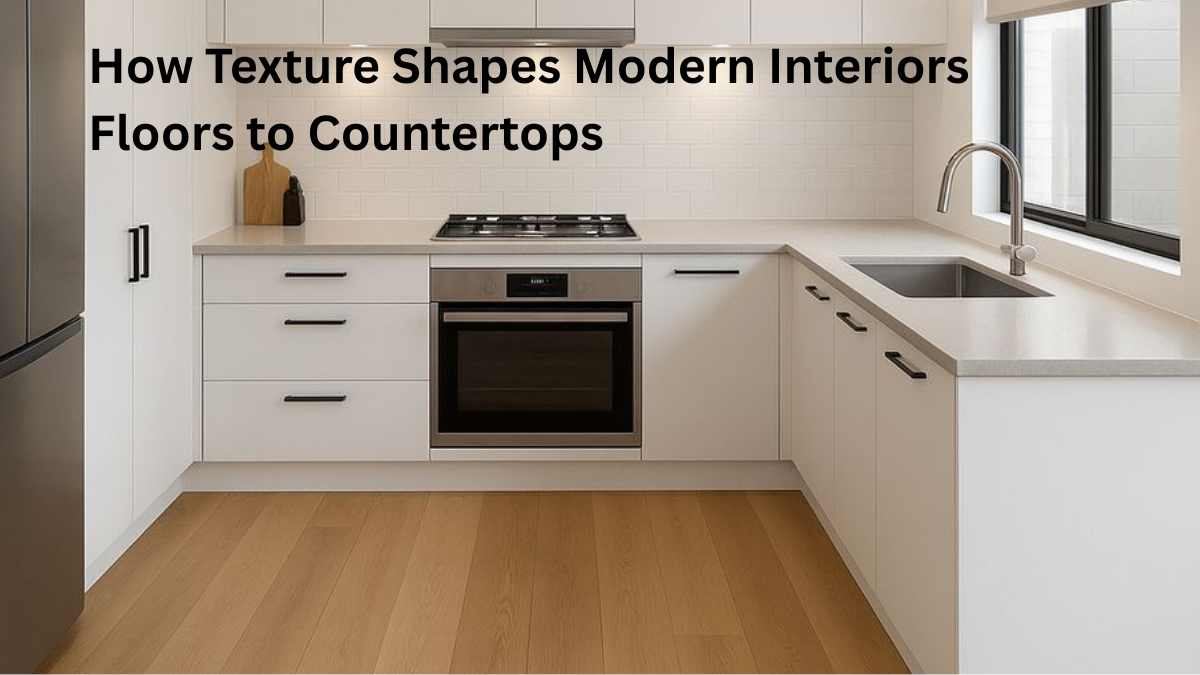
In interior design, texture is often the silent hero. It’s not just about color or style; it’s about how a space feels, moves, and resonates with the people living in it. From the floor beneath your feet to the surfaces you touch daily, texture has the power to elevate ordinary spaces into extraordinary homes.
This blog explores how thoughtfully chosen textures can transform modern interiors, adding depth, warmth, and personality to every room.
1. The Role of Texture in Interior Design
Texture is the tactile and visual quality of a material — how it looks and feels. In modern interiors, it can:
- Add Depth: Layering different textures prevents rooms from feeling flat or monotonous.
- Create Focal Points: A striking texture on a wall, countertop, or floor draws attention and adds personality.
- Influence Mood: Warm, natural textures evoke comfort, while sleek, smooth surfaces suggest elegance and sophistication.
Tip: Think beyond the obvious — even subtle variations in finishes can dramatically alter the perception of a space.
2. Floors: The Foundation of Texture
Your flooring sets the tone for the entire room. Consider these aspects:
- Warm and Inviting: Textured floors, like wood-grain finishes or patterned tiles, make spaces feel cozy and approachable.
- Modern and Sleek: Smooth, polished surfaces create a sense of luxury and spaciousness.
- Functional Texture: Some textures also improve safety and durability, especially in high-traffic areas.
By choosing flooring with the right texture, you can enhance both the style and functionality of your home.
3. Countertops and Surfaces: Where Texture Meets Everyday Life
Countertops and surfaces are more than practical spaces — they’re touchpoints in your daily life.
- Visual Interest: Matte, honed, or subtly patterned surfaces can break the monotony of smooth cabinetry.
- Tactile Appeal: The feel of a countertop or surface contributes to the overall sensory experience of your home.
- Balancing Act: Mixing smooth and textured surfaces creates harmony, making spaces feel thoughtfully designed rather than cluttered.
Design Insight: Pairing a slightly textured countertop with smooth flooring or cabinetry creates dynamic visual contrast that elevates interiors without overwhelming them.
4. Layering Textures for Cohesion
A truly sophisticated interior balances multiple textures across different elements:
- Walls and Ceilings: Soft finishes, natural stone, or subtle patterns can complement flooring and surfaces.
- Furniture and Fabrics: Upholstery, rugs, and cushions add layers of texture that invite touch and enhance comfort.
- Accessories and Decor: Metals, glass, and ceramics introduce reflective and contrasting surfaces, completing the design story.
Tip: Start with a base texture (like your flooring) and build layers gradually. This ensures cohesion and prevents overcomplication.
5. Practical Tips for Using Texture
- Mix natural and man-made materials for variety and depth.
- Use contrasting textures (smooth vs rough, matte vs glossy) to highlight key features.
- Consider the room’s function — high-traffic areas may need durable, easy-to-maintain textures.
- Let textures guide the mood — warm textures for comfort, sleek textures for elegance.
Conclusion
Texture is the invisible thread that ties a room together. It shapes how we experience space, influences mood, and defines style. By thoughtfully selecting and layering textures — from floors to countertops and beyond — modern interiors can achieve a timeless, sophisticated, and inviting atmosphere.
Whether subtle or bold, texture transforms ordinary interiors into curated, dynamic living spaces, making every corner feel intentional and alive.